For many people visiting Thailand, seeing an elephant is a highlight of their trip. But with so many attractions offering different kinds of elephant experiences, it’s important to choose one that puts animal welfare first.
Ethical elephant tourism considers elephants’ needs alongside the experience offered to visitors. Rather than asking elephants to perform or participate in activities, it gives them the opportunity to behave naturally while visitors learn about their lives.
This approach benefits both sides. Elephants have the freedom to make their own choices, while visitors gain a better understanding of these intelligent, social animals. At Phuket Elephant Nature Reserve, this principle shapes every experience we offer.
Let’s take a closer look at why ethical elephant tourism is better for elephants and visitors.

How Does Ethical Elephant Tourism Benefit Elephants?
The most important difference between ethical elephant tourism and cruel, exploitative, outdated attractions is the priority given to elephant welfare. Elephants need more than just food and shelter. They need appropriate veterinary care, opportunities to move around, space to rest and socialise, and the freedom to express natural behaviours. Their guardians must also consider the needs and histories of each individual animal they care for.
At an ethical sanctuary, elephants should not be expected to carry visitors, perform tricks, or bathe on demand. Instead, their care should focus on physical health and behavioural needs.
At Phuket Elephant Nature Reserve (PENR), we take a hands-off approach. We do not offer riding or bathing with elephants, and visitors observe our gentle giants from a respectful distance.
Our guide to what makes an ethical elephant sanctuary explains the principles behind responsible elephant care in more detail.
Why is Observation Better Than Interaction in Elephant Tourism?
Close interaction is often presented as the best way to experience elephants. However, being able to touch, ride, or bathe an elephant points to an experience that isn’t good for the animal. Our blogs Should I Ride Elephants in Thailand? and Why Bathing with Elephants is Unhygienic and Unethical are both great reads on this topic.
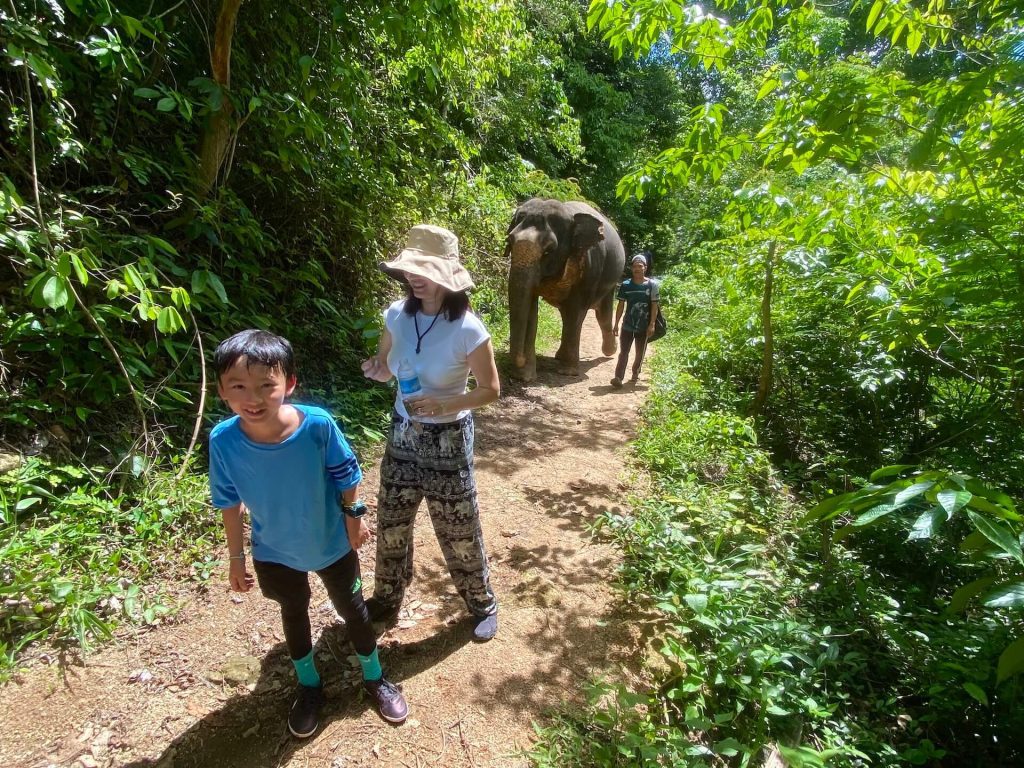
Observation offers a different, consistently ethical approach. Instead of directing an elephant’s behaviour, visitors watch what happens when the animal is free to make its own choices.
You might see an elephant feeding, walking through its surroundings, socialising with another elephant, or enjoying a mud bath. These everyday behaviours can tell us a great deal about how elephants live.
At PENR, elephants are not expected to approach visitors or perform for photographs. They can spend their time as they choose, while guests learn about their behaviour and care. Read more about why observation is better than interaction in elephant tourism and how a hands-off approach creates a more respectful experience.
How are Ethical Elephant Experiences More Meaningful for Visitors?
You should never judge an elephant experience by how much you can do with one of these incredible creatures. Increasing your understanding of the animal you observe is far more important.
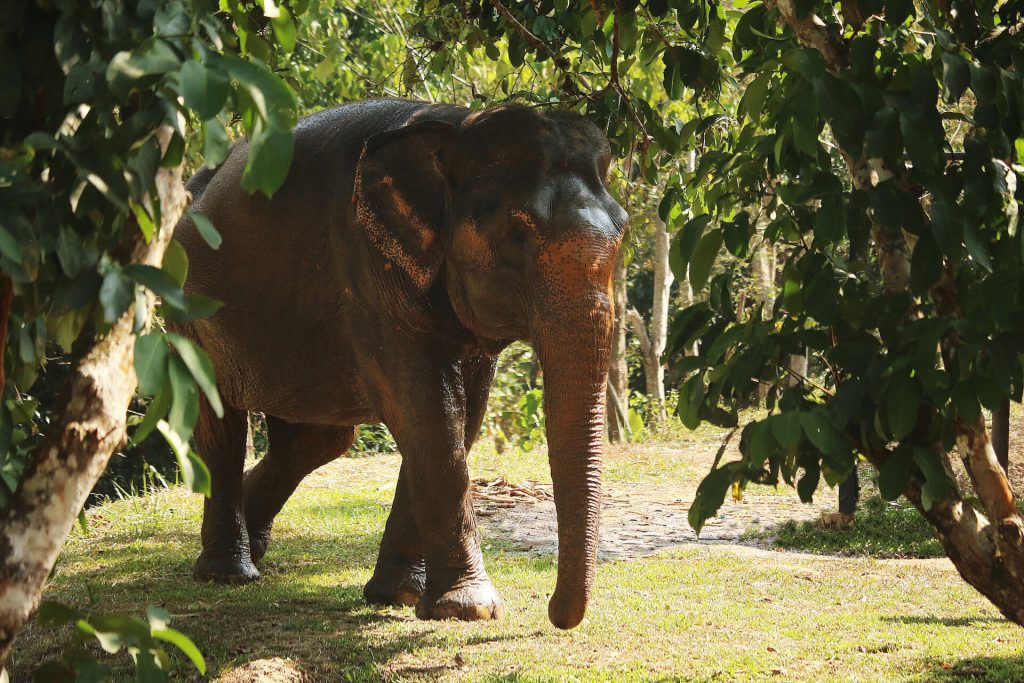
When you take time to watch elephants without interrupting them, you may begin to notice details that are easy to overlook. You might see how they use their trunks to explore their surroundings, how they communicate with one another, or how their behaviour changes throughout the day.
Learning about their individual personalities and backgrounds can also make a visit more memorable. Rather than simply taking a staged, unnatural photograph, you leave with a better understanding of the animal and its needs.
This is one of the reasons why more travellers are choosing observation-only elephant experiences. These ethical experiences centre on the elephants themselves, not on what visitors can get them to do.

How Can You Recognise a Responsible Elephant Sanctuary?
The word “sanctuary” does not automatically guarantee that an attraction follows high welfare standards. If you’re planning an elephant experience in Phuket or anywhere else in Thailand, look beyond the name and check how they actually treat their elephants.
Consider whether the venue allows riding, performances, or bathing with visitors. Look for clear information about veterinary care, nutrition, living conditions, and the elephants’ freedom to move and socialise.
It’s also worth asking whether the elephants can choose when to rest, move away from people, and interact with other elephants. A responsible operator should be transparent about its policies and put the animals’ needs before visitor expectations.
Our Guide to Hands-Off Elephant Sanctuaries in Phuket offers further guidance for travellers comparing their options. Making an informed choice is an important part of responsible wildlife tourism. It helps you decide which practices your visit will support.

How Does Ethical Travel in Thailand Support Elephant Conservation?
Tourism can play a role in supporting elephant care, particularly at sanctuaries that rely on visitor income to help fund their work. Choosing an ethical operator directs your spending towards an experience that prioritises welfare, education, and responsible care. Visitor fees contribute to the everyday costs of looking after rescued elephants, including food, veterinary treatment, suitable facilities, and experienced staff.
Of course, one booking cannot solve every challenge facing elephants in Thailand. But travellers can make choices about the businesses they support, and those choices matter.
Learning about elephant welfare also influences decisions long after a holiday ends. Visitors who understand the difference between observation and forced interaction are better equipped to recognise responsible animal tourism elsewhere.
Our article on the role of sanctuaries in elephant conservation efforts in Thailand explores how sanctuaries contribute to elephant care and wider conservation efforts.

What Makes Phuket Elephant Nature Reserve Different?
Phuket Elephant Nature Reserve is a hands-off elephant sanctuary in Phuket dedicated to caring for rescued elephants. Our approach focuses on observation, education, and allowing elephants to behave naturally rather than providing close-contact activities.
During a visit, you can learn about our elephants’ individual histories, daily care, diet, and behaviour. Depending on what the elephants choose to do, you may see them feeding, exploring, resting, or spending time together.
These moments are not staged, and no particular behaviour is guaranteed. That is part of what makes observation meaningful: you are watching the elephants on their own terms. You can also meet the elephants in our care and learn about their individual stories before your visit.
Our pioneering hands-off approach is central to the ethical experience we offer.
Which Ethical Elephant Experience Can You Choose at PENR?
If you are looking for an elephant sanctuary in Phuket where education and observation come first, PENR offers several ways to visit. Our elephant activities in Phuket include the Half-Day Elephant Adventure, Short 90-Minute Elephant Adventure, and Private Half-Day Elephant Adventure. You can compare these options to find an experience that suits your schedule.
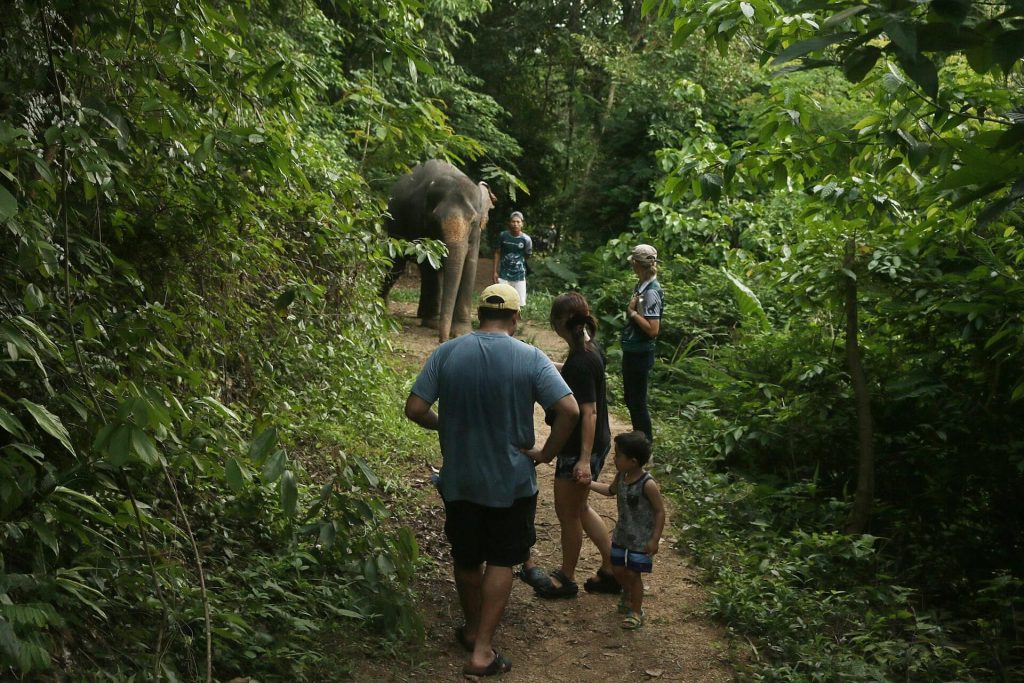
We have built each program around learning about and observing elephants, without riding, bathing with, or touching them. You can enjoy time at our sanctuary while respecting our elephants’ space and freedom of choice.

Why is Ethical Elephant Tourism Better for Everyone?
Ethical elephant tourism puts elephant welfare first while giving visitors the chance to learn, observe, and develop a deeper appreciation of these remarkable animals.
For elephants, this means greater freedom to move, socialise, and express natural behaviours. For visitors, it means an experience based on understanding rather than forced interaction.
When planning your trip, choosing ethical elephant experiences is a practical way to make responsible wildlife tourism part of your travel plans.
At Phuket Elephant Nature Reserve, we believe that the most meaningful encounters happen when elephants have the freedom to be themselves. Explore our Phuket elephant activities and discover a hands-off experience in Thailand.
Do you have any pre-booking questions? Please don’t hesitate to contact us for the answers you need.